
A Plain-English Comparison
The question I hear more than any other from clients who are seriously considering a river cruise is this: which river?
It is a good question, and the honest answer is that it depends on what you are actually looking for — not on which river is “best” in the abstract. Each one has a distinct personality, a different set of cities and scenery, and a different relationship with food and wine. The right match is the one that lines up with how you travel, not just where you want to go.
Here is how I think through it with clients.
The Rhine and Moselle: history, castles, and German wine
The Rhine is the most traveled river in Europe, which tells you something. It connects Amsterdam in the Netherlands with Basel, Switzerland, passing through some of Germany’s most historic wine country along the way. The Moselle, a tributary of the Rhine, winds through steep slate valleys lined with Riesling vineyards.
What you will see: medieval castles on cliffs, walled towns like Rüdesheim and Cochem, the cathedral cities of Cologne and Strasbourg, and the Dutch waterways around Amsterdam. The Rhine also runs through the heart of Christmas market country — which is why it is the most popular river for November and December sailings.
Best for: First-time river cruisers who want to anchor a trip around recognizable European cities. Travelers who love German wine and want to visit estates directly. Anyone whose Europe list includes the Netherlands, Germany, and Switzerland in one trip.
Worth knowing: Because the Rhine is so popular, it can feel busier at the most-visited ports — Rüdesheim and Cologne especially. If you prefer quieter stops, the Moselle extension is worth considering.
The Danube: grand architecture, multiple capitals
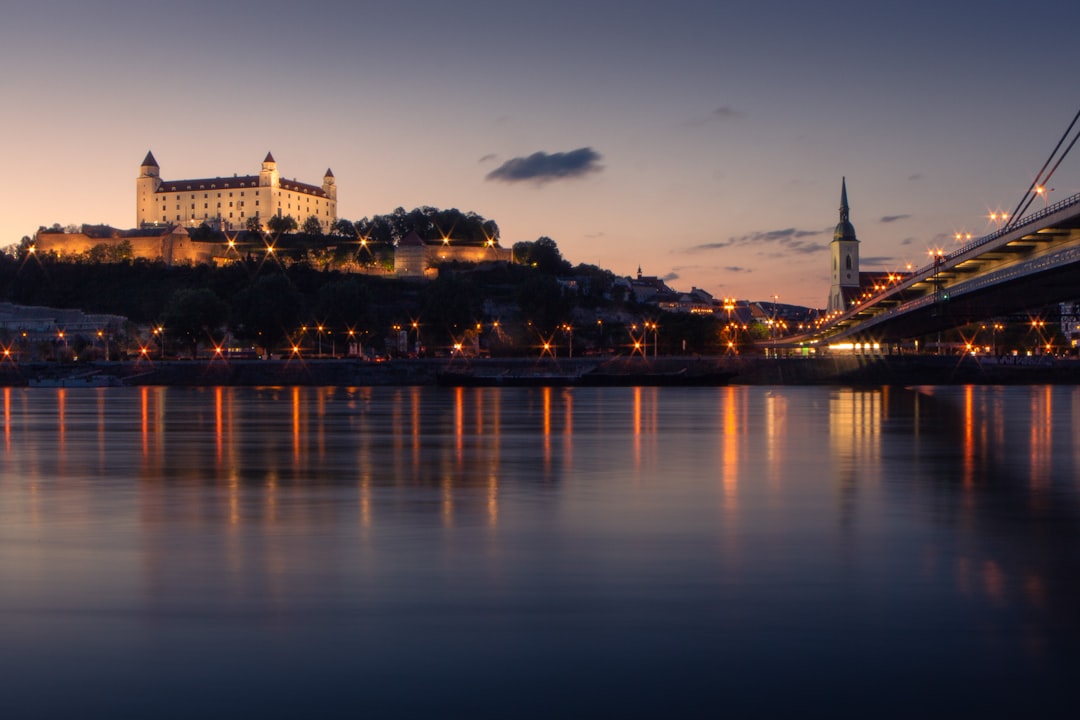
The Danube is the other great river cruise route, and in many ways it is the opposite of the Rhine. Where the Rhine offers dramatic natural scenery broken by towns and cities, the Danube delivers grand capital cities at nearly every stop. Vienna. Budapest. Bratislava. Passau. Linz. Few itineraries on earth get you that much architectural and cultural density in two weeks.
What you will see: the Vienna State Opera and Schönbrunn Palace, the Parliament building in Budapest at dusk from the river, medieval old towns in Bratislava, and the gothic charm of Passau where three rivers meet. Hungary and Austria both have serious culinary traditions, and the local wine regions — including Wachau in Austria and Eger in Hungary — are worth seeking out.
Best for: Travelers who want to experience Central European capital cities without the work of navigating them independently. History and architecture enthusiasts. People doing a first serious European trip who want to cover a lot of ground comfortably.
Worth knowing: The Danube is long, and different operators emphasize different segments. The classic stretch runs from Passau to Budapest, but some lines extend to Bucharest or include the Balkans. Know which segment you are booking.
The Douro: Portugal’s wine country, up close
The Douro is my personal favorite for clients who come to me specifically for food and wine. It is unlike the other river cruise routes in almost every way — quieter, more intimate, and set entirely in one of the world’s great wine regions.
The river winds through the steep terraced hills of northern Portugal, past quintas (wine estates) that have been producing port and Douro DOC wines for centuries. The ships are smaller, the excursions go directly into the vineyards, and the pace is slower. Porto is the starting or ending point, which adds a serious food city to the itinerary.
What you will see: terraced vineyards that look almost architectural in the afternoon light, visits to working wine estates, small towns like Régua and Pinhão where port wine culture is simply daily life, and the Côa Valley with prehistoric rock art.
Best for: Food and wine lovers above all else. Travelers who have done a major European river cruise before and want something more intimate. Anyone drawn to Portugal specifically and who wants the winery experience embedded in the trip, not just tagged on as a shore excursion.
Worth knowing: The Douro has fewer departures than the Rhine or Danube, and the ships are smaller. Book earlier than you think you need to.
The Rhône and Saône: France at its most serious
For clients who dream of Burgundy, Provence, and Lyon, the French river system is the answer. The Saône flows through Beaune and the heart of Burgundy wine country; the Rhône continues south through the Côtes du Rhône vineyards and into Provence. Lyon anchors the middle of the route and is one of the best food cities in Europe.
What you will see: medieval Beaune with its famous Hospices de Beaune, wine villages like Tournon and Tain-l’Hermitage, the Roman theater in Lyon, Avignon’s Palais des Papes, and the lavender-colored landscape of Provence in summer.
Best for: Francophiles. Serious food and wine travelers — this is the route for anyone who wants to eat as well on a cruise as they would at a high-end restaurant. Travelers who want a more rural and scenic European experience.
Worth knowing: This route is less well-known than the Rhine and Danube, which is part of what makes it appealing. Sailings fill early, particularly for fall harvest season.
The Seine: Normandy and Paris
The Seine offers something different: a cruise that connects Paris with the beaches and countryside of Normandy. It tends to attract travelers who want Paris time embedded in the journey, or who are drawn to the history of the Normandy landing sites.
What you will see: Paris itself (usually 1–2 days included), the Normandy coastline and D-Day beaches, Les Andelys and the ruined château above the river, and Rouen’s gothic cathedral.
Best for: History travelers, particularly those with a WWII interest. Travelers who love Paris and want it as part of the itinerary. Those looking for a shorter cruise option, typically 7–8 days.
Worth knowing: Not all operators run the Seine. It tends to be positioned as an add-on to a Paris trip rather than a standalone itinerary, so pricing and scheduling work differently.
A quick-reference guide by traveler type
If you are still working out which river fits you, here is a shortcut.
- You want food and wine to be the center of the trip → Douro or Rhône/Saône
- You want a grand, architecture-rich itinerary → Danube
- You want a well-established route with recognizable cities → Rhine
- You want something intimate and off the main circuit → Douro
- You are going for Christmas markets → Rhine or Danube
- You love France → Rhône/Saône or Seine
- You have a WWII history interest → Seine
- You are going on your first European river cruise → Rhine or Danube
How I match clients to the right river
When a client comes to me with “I want to do a river cruise,” the first conversation is not about which line to book — it is about which river. Once we know the river, the rest of the decisions become much easier.
I ask about what past trips felt right, what they are hoping to feel at the end of this one, and whether they have specific interests — wine, architecture, food, history, walking, all of the above — that should shape the route. Then I work backward from there.
If you are trying to make this decision, I am happy to think through it with you. Start with the full guide for the broader context, or reach out directly.
Dig deeper: The full river cruise resource library
- Luxury European River Cruises: An Honest Guide for Food-Loving Cruise Travelers
- European River Cruise vs. Ocean Cruise vs. Land Tour: How to Choose
- How Much Does a European River Cruise Cost (and What’s Included)?
- Best Time of Year for European River Cruises (By River and Traveler Type)
- River Cruises for Food and Wine Lovers: What to Look For
- European River Cruise FAQ: Questions I Answer Most Often
Ready to take the next step?
Send me a note or find a time to start the conversation. I can usually tell within the first few minutes which river makes the most sense for the kind of trip you are describing.
