last updated 18-Sept-2026

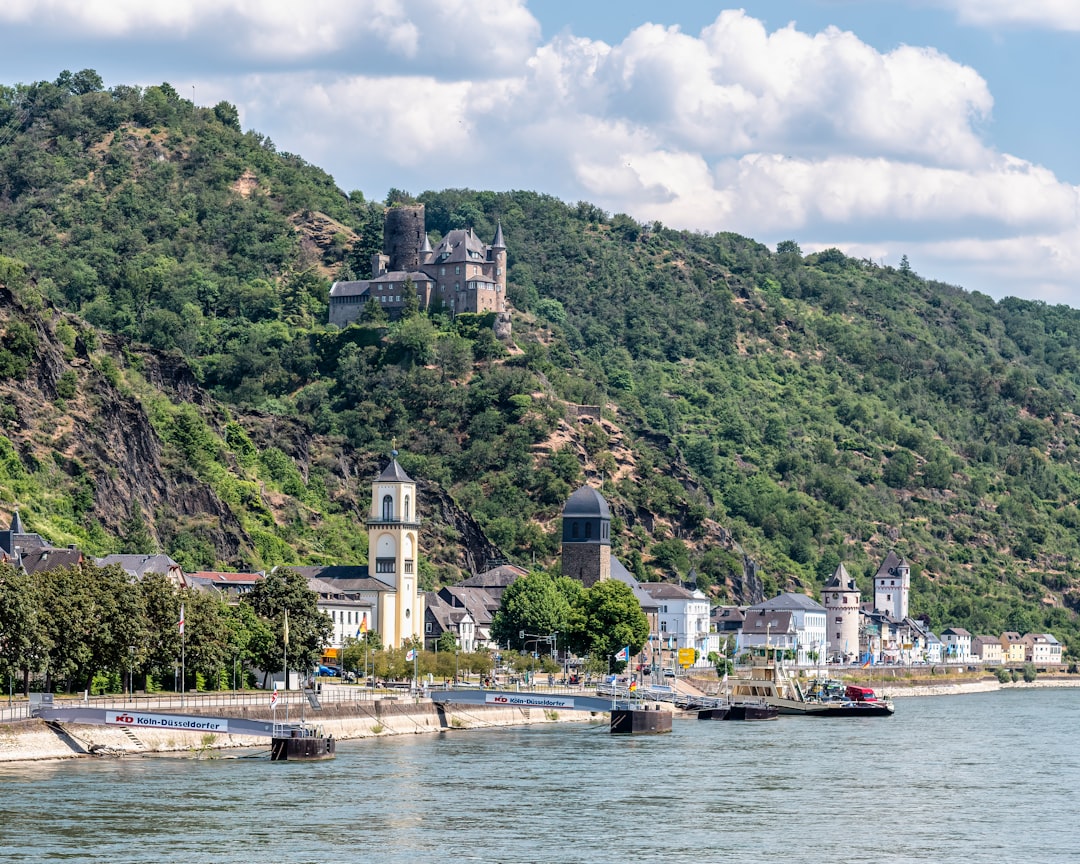
Europe's great rivers each have a distinct personality, and matching you to the right one is one of the first conversations I have with a new client.
Germany, Switzerland, and the Netherlands come to life along the Rhine. You will sail past medieval castles, vineyard-terraced hillsides, and cities like Cologne, Strasbourg, and Amsterdam. The Moselle branch adds some of Germany's best Riesling country. This is a strong choice for first-time river cruisers who want a classic, highly scenic itinerary with excellent infrastructure.
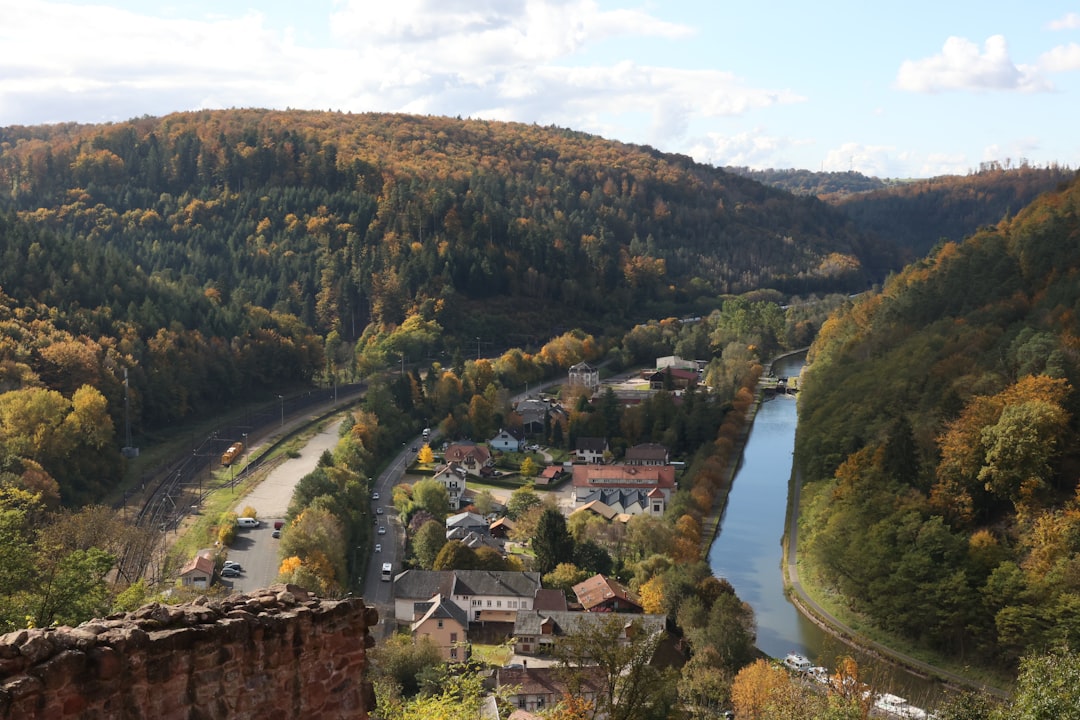
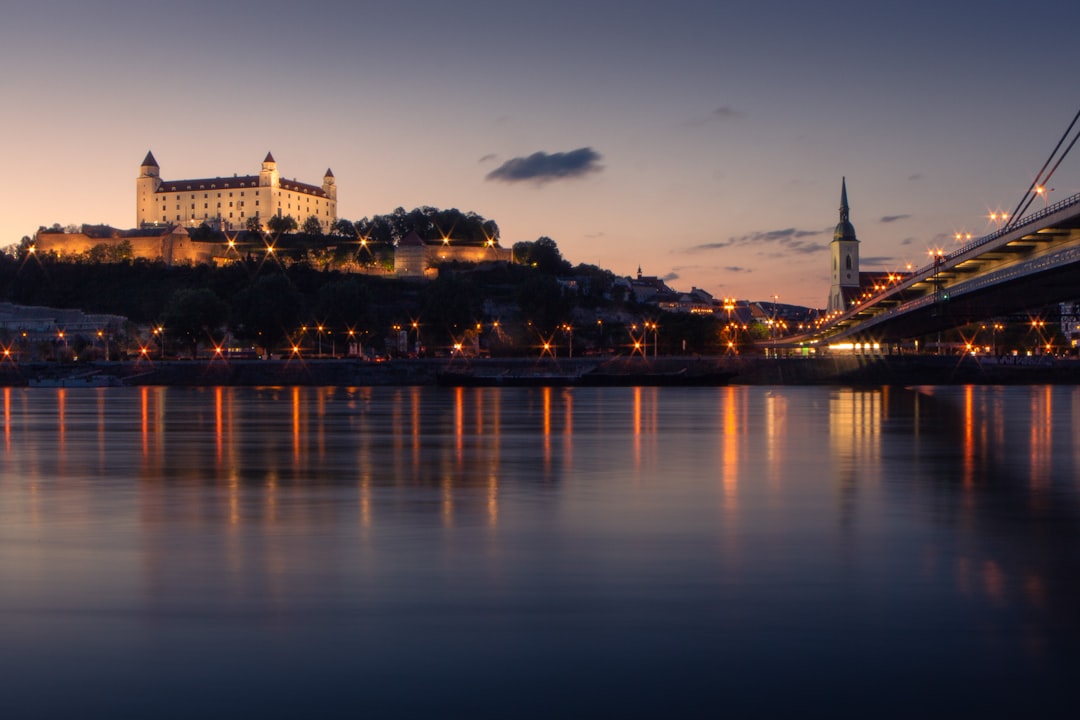
The Danube is the grandest of the rivers in terms of history and architecture. Vienna, Budapest, Bratislava, and Passau are all Danube cities. For travelers who love imperial architecture, classical music, and rich Central European cuisine, this river tends to be the one that stays with them longest. It is also one of the most popular routes for Christmas market sailings in late November and December.
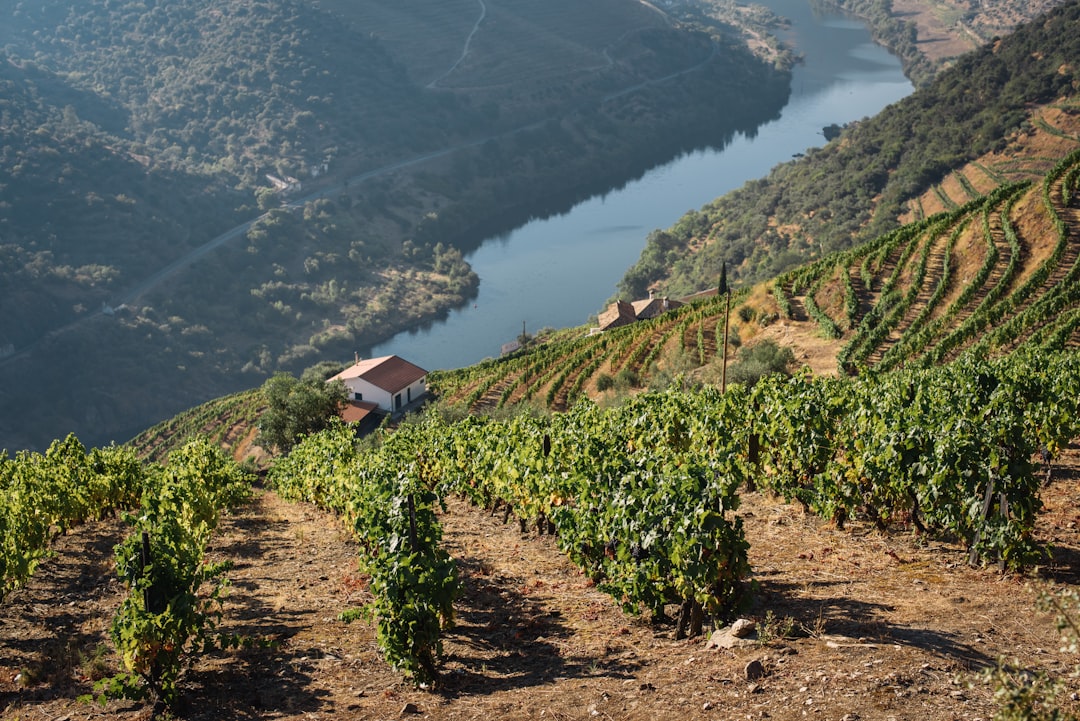
This is my personal favorite for food and wine lovers. The Douro winds through the steep terraced hills of northern Portugal's wine country, the birthplace of Port. Ships here are smaller, the landscape is dramatic, and the pace is slower. You will visit quintas, taste wines directly from the producers, and eat in a way that feels deeply connected to the place. Porto bookends many itineraries beautifully.
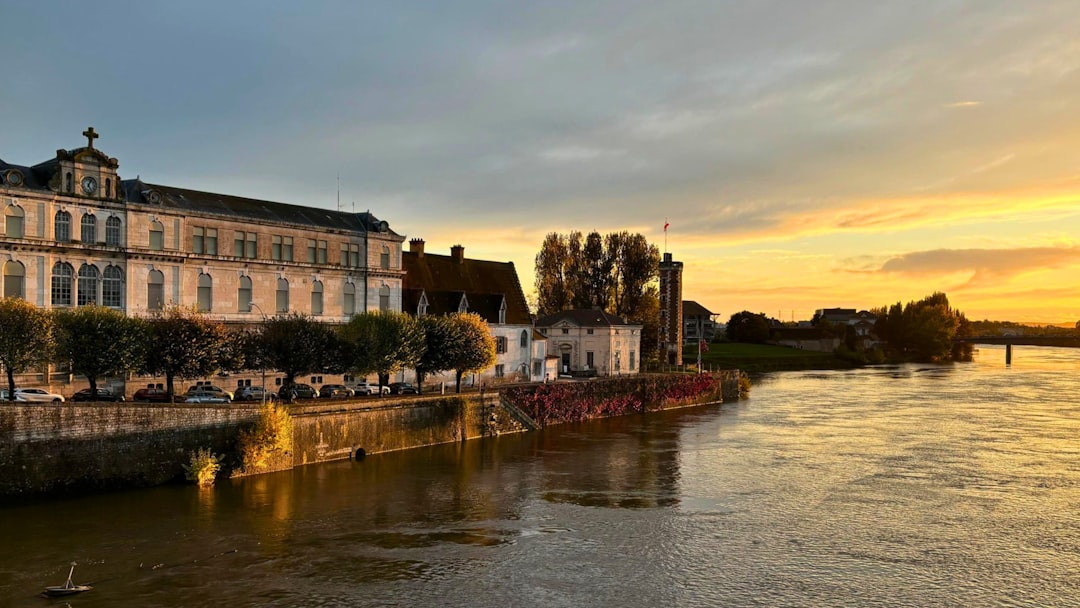
For clients who dream of Burgundy, Provence, and Lyon, the French rivers are the answer. This route offers some of the most celebrated wine regions on earth alongside excellent food, Roman ruins, and the unmistakable light of southern France. Lyon alone, as a culinary capital, can justify the trip.
There are other rivers worth knowing as well, including the Seine through Normandy and Paris, and the Po in Italy. Each one opens a different chapter of European life.
In my experience, river cruising works particularly well for:
Couples and empty nesters who want to travel comfortably without managing logistics themselves
Travelers who have done a major European land trip before and want to see the continent from a different angle
Anyone who finds large ocean ships overwhelming but is curious about the cruise format
Food and wine lovers who want excursions that go beyond the cathedral and the gift shop
Travelers with moderate mobility considerations who need predictable, manageable distances each day
People who value quality over quantity and would rather experience fewer places more deeply
River cruising is not the right fit for everyone, and I would rather tell you that upfront than have you discover it mid-trip.
If you travel primarily for beach time or warm-weather relaxation, a river cruise is not structured for that.
If you prefer complete independence and dislike any kind of group dynamic, even a loose one, the ship environment may feel constraining.
If you are looking for nightlife, casinos, or a wide range of onboard entertainment, ocean ships offer far more.
If the European weather in shoulder seasons concerns you, river cruising happens mostly April through December, and some months are rainy and cool.
One of the questions I hear most often is: what does a day actually look like? Here is a realistic picture.
You wake up docked at a new town. Breakfast is served onboard with a mix of continental options and warm dishes. The excursion briefing from the evening before has given you a choice: a guided walking tour of the old town, a bike ride along the river path, or a tasting at a local winery or market. You choose based on how you feel that day, not based on a pre-purchased package you committed to months ago.
Mid-morning you are off the ship. The town is yours for several hours. If your line has a good culinary focus, that market visit or vineyard stop is genuinely curated, not a brief photo opportunity. Lunch might be on your own in a local cafe or included back on the ship depending on the itinerary.
By late afternoon the ship has moved or is preparing to move. Sailings often happen in the evening, which means you can sit on the sun deck with a glass of wine and watch the landscape change as the light softens. Dinner is a proper sit-down meal. On the lines I recommend most, the menu reflects the region you are passing through.
Evening programs vary but tend toward the quiet and social: a local musician, a tasting, a lecture on the next day's port. By ten o'clock, most passengers are back in their cabins. That rhythm suits the people who come to me for this type of travel.
This is where most of my consulting conversations begin. The short answer is that each format offers something different, and the right choice depends entirely on what you are optimizing for.
Ocean ships are larger, with more entertainment options, more varied itineraries, and often lower price-per-night rates at the entry level. River ships are more intimate, dock in town centers rather than industrial ports, and tend to attract travelers who prioritize cultural depth over onboard amenities. Motion sickness is rarely a factor on rivers.
A land tour gives you more flexibility to linger in a place you love, more dining freedom, and the ability to stay in hotels with distinct local character. A river cruise handles all logistics, means you unpack once, and covers distances efficiently. For travelers who have already done the independent land tour version of Europe and now want comfort and ease without sacrificing discovery, river cruising often becomes the new preference.
If you want to think through your own situation side by side, that is exactly the kind of conversation I am happy to have directly.
European river cruises sit in the premium-to-luxury pricing category. That is simply what this type of travel is. What matters is understanding what is genuinely included and what is not, because the inclusions vary more than the brochures suggest.
Most reputable river cruise lines include accommodations, most or all meals, a selection of excursions, and often house wines and beers with dinner. Some lines include all beverages throughout the day, all gratuities, and premium excursions at no additional charge. Others price these separately, which can add significantly to the total cost if you are not paying attention.
I do not publish specific pricing here because it changes, varies by cabin category, departure date, and promotional period, and because the accurate answer for your trip requires a real quote. What I can tell you is that the right question is not what does this cost but what does this include and is that aligned with how I travel.
When I put a quote together for a client, I always show what is and is not included, so the comparison across lines is honest rather than misleading. There is more detail on inclusions in the pricing question in the FAQ below.
The river cruise market has grown significantly, and the number of lines, ships, rivers, and departure windows is genuinely overwhelming if you are approaching it fresh. My job is to make that decision manageable.
The conversation I have with most clients starts with a few honest questions: How important is culinary depth versus historical sightseeing? Do you want to move every day or prefer a slower pace with more time in fewer places? Are you comfortable in a group setting or do you need more autonomy built into the schedule? What does comfortable mean to you in terms of a cabin and ship size?
From there, I match the river, the line, and the departure window to where you actually are in your travel life, not to whatever is on sale this month or generating commissions. I also stay current on which ships have been recently refurbished, which lines are managing their quality well right now, and which sailings in a given year are likely to be oversold or underserved.
That kind of intelligence takes time to maintain, and it is genuinely part of the value I bring to a booking.
These are the questions I hear most often from travelers who are curious about European river cruising but not sure where to start. Some have short answers. Some do not. I have tried to give you the honest version either way.
If what you have read here sounds like the kind of trip you have been trying to describe, I would genuinely enjoy a conversation. I do not do the hard sell, and I do not push you toward anything before you feel ready. What I do is ask good questions and help you figure out whether this is the right trip for the right moment. Find a time for us to chat that works for you.
last updated 18-Sept-2026
Discover curated luxury travel experiences tailored to your unique desires with Evolution of Travel, your boutique travel agency specializing in elevated, personalized adventures.

Personal Travel Is Luxury.
Cancellation and change penalties may apply to any travel arrangements booked. Details will be provided upon request.
© 2026 Evolution of Travel. All rights reserved.
Privacy Policy