
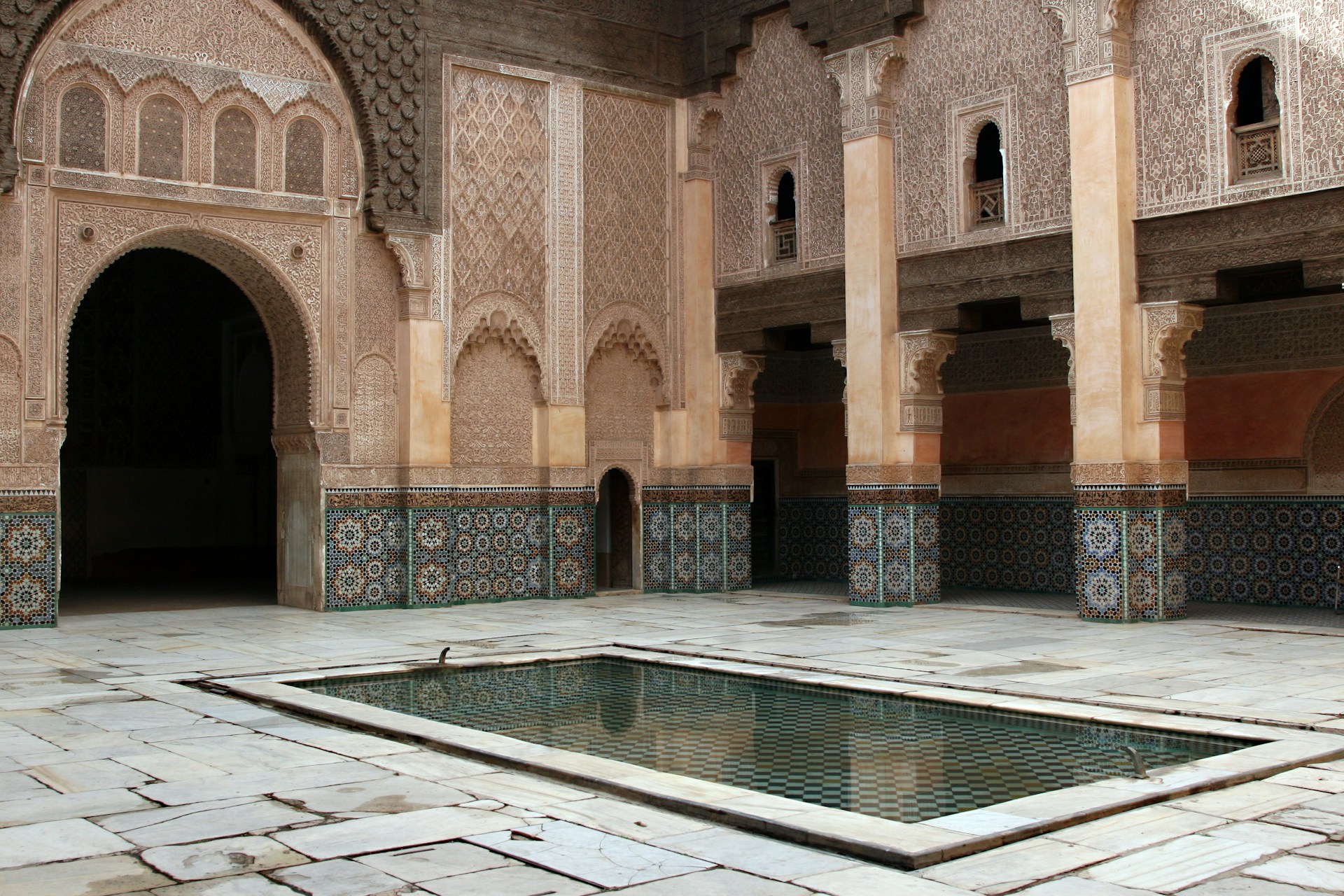
TL;DR: When Janet confessed her terror about accidentally offending someone in Morocco, she voiced the fear every thoughtful traveler feels about culturally complex destinations. Three weeks later, she was sharing dinner and stories with a Moroccan family as if they’d known each other for years. The difference? She arrived not as a stranger, but as someone already expected and welcomed.
To listen to this article, click here.
“I’m terrified we’re going to offend someone accidentally.”
Janet’s voice was tight with anxiety as we discussed her upcoming trip to Morocco. “The cultural differences feel so overwhelming. What if we don’t understand the customs? What if we say or do something inappropriate?”
Her husband, Michael, nodded in agreement. “We’ve wanted to visit Morocco for years, but every time we research it, we get more nervous. It feels like there are so many ways to get it wrong when you don’t speak the language or understand the culture.”
I hear this anxiety constantly from thoughtful travelers planning journeys to culturally rich destinations:
- What if I accidentally break religious or social customs?
- How will I communicate when I don’t speak the language?
- What if people see me as just another entitled tourist?
- How do I show respect when I don’t understand the rules?
These fears are legitimate and reflect travelers who genuinely want to engage respectfully. But they can also become barriers that keep people from experiencing some of the world’s most rewarding destinations.
The Preparation That Changes Everything
What Janet and Michael didn’t initially understand was that their journey to Morocco had begun weeks before their flight. While they were worrying about cultural missteps, I was working with Youssef, my trusted partner in Marrakech, to prepare their welcome.
Youssef didn’t just arrange accommodations and transportation. He spent time understanding who Janet and Michael were as people—their interests, their concerns, their genuine desire to engage respectfully with Moroccan culture.
By the time they landed in Marrakech, they weren’t strangers arriving in a foreign place. They were expected guests whose story had already been shared with the people who would welcome them.
When Introduction Becomes Recognition
At the airport, instead of navigating confusion and potential taxi negotiations, they were met by Hassan, who’d been told about their anniversary trip and their particular interest in traditional crafts. Their first conversation wasn’t about logistics—it was about the workshops he was excited to show them.
At their riad, the owner, Fatima, already knew they were celebrating 40 years of marriage and had experience with woodworking back home. She’d prepared not just their room, but an introduction to her brother, a traditional furniture maker who rarely opens his workshop to visitors.
In the medina, their guide, Ahmed, had been briefed about their pace preferences and genuine curiosity about daily life. Instead of rushing them through tourist highlights, he introduced them to shopkeepers as “my friends from America who appreciate craftsmanship”—an introduction that opened doors and conversations.
The Ripple Effect Begins
What happened over the following days demonstrates why being known before you arrive matters so profoundly.
The furniture maker didn’t just show them his techniques—he invited them to try the tools themselves, sharing stories about how traditional methods adapt to modern life while preserving essential skills.
The family dinner happened because the riad owner mentioned to her sister that she was hosting guests who reminded her of her own parents’ long marriage. The invitation wasn’t commercial—it was cultural, one family welcoming another.
Market vendors engaged with them as neighbors rather than targets, because their guide had introduced them as people who appreciated quality and craftsmanship rather than just sought bargains.
Beyond the Language Barrier
One of Janet’s biggest fears had been communication difficulties. But being properly introduced solved this in unexpected ways.
Cultural preparation had taught them basic Arabic greetings and essential phrases for showing respect, not for transaction, but for connection.
Their reputation preceded them, so people made extra effort to communicate, often bringing family members who spoke English or using creative combinations of words and gestures to share their stories.
Shared interests became a universal language. When Janet and Michael showed genuine curiosity about traditional crafts, their passion for the work transcended language barriers.
The Question That Matters
So here’s what I’m curious about: What destination intimidates you culturally, and how might that change if you could arrive already known and welcomed?
Is there a place that calls to you but feels too complex or unfamiliar to navigate confidently?
What cultural barriers have kept you from exploring destinations that genuinely interest you?
