
TL;DR: This week’s newsletter explores the subtle art of moving through destinations like a welcomed guest rather than an obvious visitor. Through the story of how Emma and Robert experienced Rome without a single tourist-trap moment, Pam reveals the difference between seeing places and belonging in them temporarily. It’s about understanding that authentic travel isn’t about avoiding crowds—it’s about being introduced properly to places that matter.
To listen to this article, click here.
Emma called me from her hotel room in Rome, laughing with a mixture of disbelief and delight.
“We’ve been here for four days,” she said, “and I just realized—we haven’t felt like tourists once. Not at the Colosseum, not in Trastevere, not even at the Vatican. Everywhere we go, people treat us like we belong here temporarily, not like we’re visiting from the outside.”
She paused, trying to articulate something that had surprised her.
How is it possible to experience the most touristy city in the world without feeling touristy?
That question gets to the heart of something I’ve spent years perfecting: the art of helping travelers move through destinations like welcomed guests rather than obvious visitors.
The Tourist Trap Isn’t a Place—It’s a Feeling
Most people think tourist traps are about locations—overcrowded restaurants, overpriced attractions, experiences designed to extract money from visitors. But I’ve learned that being a tourist isn’t about where you go. It’s about how you’re received when you get there.
You can visit the Colosseum and feel like you’re being processed through a tourism machine, or you can experience it as someone who belongs there temporarily. The difference isn’t avoiding crowds, it’s being introduced properly.
Emma and Robert’s Rome experience illustrates this perfectly. They saw all the major sights, dined in popular neighborhoods, and visited world-famous attractions. But they never felt like outsiders looking in because they were connected to the city through relationships, not guidebooks.
The Art of Proper Introduction
It started before they even landed. When I told Giulia, my trusted Rome contact, about Emma and Robert’s interests in art history and culinary traditions, she didn’t just plan their itinerary. She prepared their introduction to her city.
At the Colosseum, instead of joining a standard tour group, they met Marco, an archaeologist who’s spent decades studying the site. He didn’t recite facts about gladiators; he shared discoveries that haven’t made it into guidebooks yet, pointing out details that most visitors (and even most guides) never notice.
In Trastevere, rather than wandering randomly through “authentic” neighborhoods, they were welcomed by Sofia, whose family has run the same osteria for three generations. She didn’t just serve them dinner; she taught them about the evolution of Roman cuisine while they helped prepare their meal.
At the Vatican, instead of being shuffled through with thousands of other visitors, they were guided by Father Giuseppe, who knows the collection intimately and shares stories about pieces that tourists rush past without understanding their significance.
When Introduction Becomes Immersion
The magic wasn’t in avoiding tourist areas. It was in experiencing them through the eyes of people who call those places home.
Marco didn’t just show them ancient Rome; he helped them understand how the past lives in the present city. When they walked through modern streets afterward, they could see the layers of history beneath their feet.
Sofia didn’t just feed them; she connected them to the rhythm of Roman life. They learned why Romans eat when they do, how food reflects the seasons, and what meals mean to family culture.
Father Giuseppe didn’t just point out masterpieces; he shared why these works still matter to people who see them every day, not just visitors who see them once.
Each introduction created a relationship with the city itself, not just its attractions.
The Subtle Signals of Belonging
By day three, Emma and Robert were moving through Rome differently. They’d learned the subtle signals that mark someone as a welcomed guest rather than an obvious tourist:
They knew where to stand while waiting for the bus, because Sofia had shown them how Romans navigate public transport.
They understood the timing for restaurants and attractions, because Marco had explained the natural rhythms of the city.
They carried themselves differently in sacred spaces because Father Giuseppe had shared what reverence looks like in Roman culture.
They engaged with vendors in markets the way Giulia had demonstrated—with curiosity and respect rather than suspicion and haggling.
These weren’t performance or pretense. They’d been properly introduced to a way of being in Rome that felt natural rather than forced.
The Ripple Effect of Authentic Introduction
What happened next illustrates why a proper introduction matters so much.
At a café in Monti, the owner (who’d never met them) struck up a conversation because something about their presence suggested they weren’t typical tourists. They ended up learning about the neighborhood’s transformation over decades while sharing stories about their own city back home.
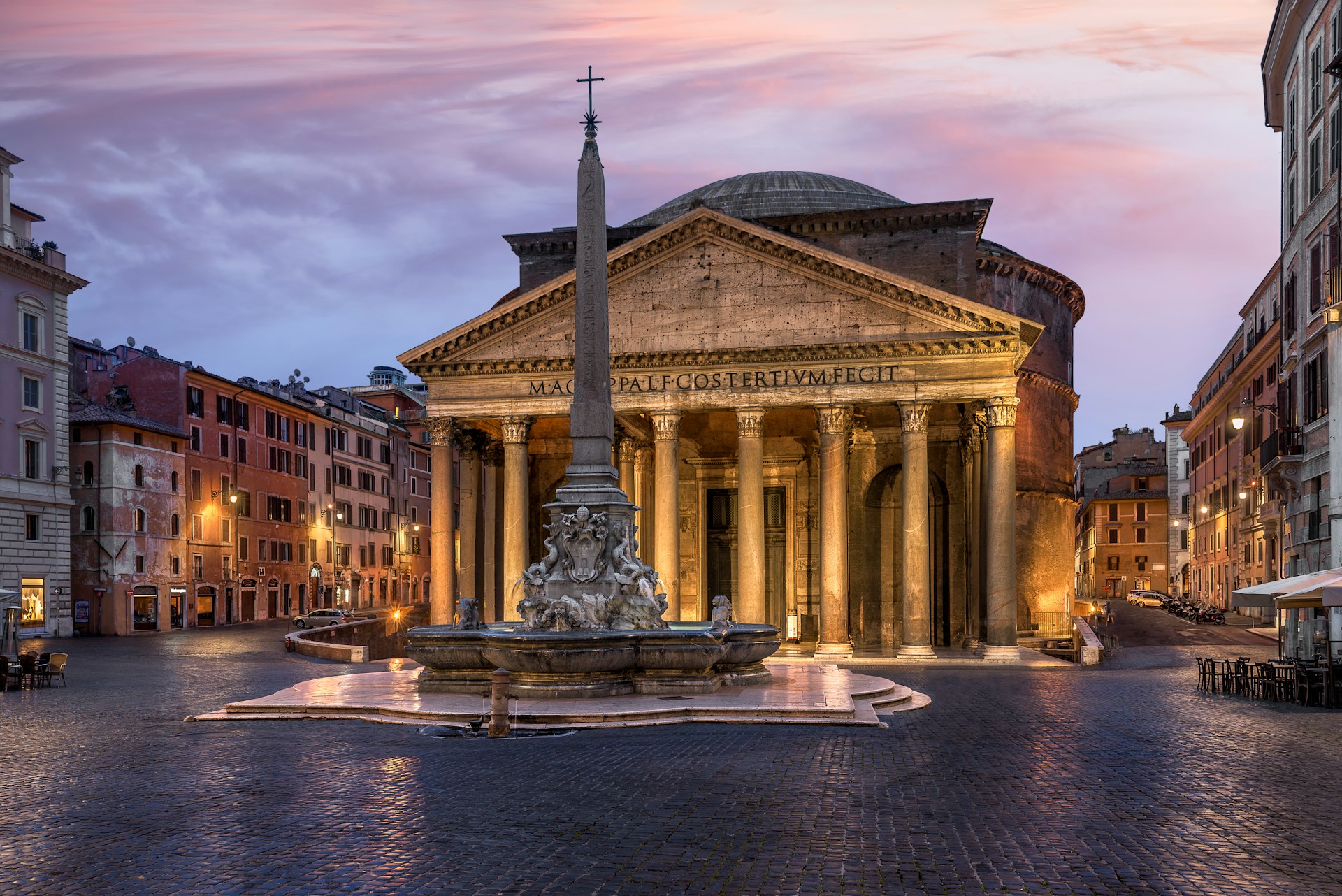
In a bookshop near the Pantheon, the proprietor recommended novels by Roman authors, not just tourist guidebooks, because they seemed genuinely interested in understanding the city’s contemporary culture.
At a wine bar in Campo de’ Fiori, other customers included them in conversations about local politics and culture, treating them as temporary neighbors rather than foreign observers.
The introductions had created a foundation that allowed for spontaneous connections throughout their stay.
The Global Language of Proper Introduction
This approach works everywhere, adapted to local customs and cultural norms:
In Tokyo, my clients learn the subtle art of respectful engagement: how to bow appropriately, when to speak and when to observe, how to participate in experiences without disrupting their flow.
In Morocco, they understand the difference between genuine hospitality and performed hospitality, allowing them to engage authentically with families who welcome them into their homes.
In Tuscany, they’re taught the rhythm of rural Italian life—when to work, when to rest, how to appreciate the pace that makes their hosts feel respected rather than rushed.
In New Zealand, they learn to engage with Maori culture through understanding rather than observation, participating in ceremonies with appropriate reverence.
The common thread isn’t avoiding tourist attractions—it’s being introduced to them properly, by people who understand both their significance and how to share them respectfully.
Why This Matters Beyond Comfort
Traveling as a welcomed guest rather than an obvious tourist isn’t just about feeling more comfortable—it creates fundamentally different experiences.
When you’re treated as a guest, people share stories they wouldn’t tell a stranger. You hear about challenges and hopes, not just highlights and history.
When you belong temporarily, you notice details that rushing visitors miss. You see how places actually work, not just how they appear.
When you’re properly introduced, you develop genuine appreciation rather than surface impressions. You understand context, not just content.
When you move respectfully, doors open that remain closed to typical tourism. People invest in your understanding because they trust your intentions.
The Investment in Cultural Education
Creating these introductions requires significant investment—not just financial, but cultural and relational.
I spend time learning about each destination deeply enough to understand what a proper introduction looks like in that cultural context.
I cultivate relationships with people who genuinely love their homes and want to share them thoughtfully with respectful visitors.
I educate travelers about cultural norms, expectations, and the difference between curiosity and intrusion before they arrive.
I ensure mutual benefit. My local partners gain meaningful cultural exchange, not just economic transactions, from these interactions.
This preparation makes the difference between tourism and temporary belonging possible.
The Real Question
So here’s what I’m curious about: What destination have you visited where you felt like an outsider looking in, and how might that experience have been different if you’d been properly introduced?
Have you ever traveled somewhere and felt like you were seeing the “tourist version” rather than understanding the real place?
What would it mean to you to move through destinations with confidence and cultural fluency rather than obvious foreignness?
How would your travel choices change if you knew you could experience any destination as a welcomed guest rather than a processed visitor?
Your Introduction Starts Here
The truth is, authentic travel isn’t about finding secret places. It’s about being introduced properly to places that matter.
When we work together, you’re not just getting itinerary planning; you’re receiving cultural education that prepares you to engage respectfully and meaningfully with every destination.
You don’t have to choose between seeing famous sights and having authentic experiences. You just need a proper introduction to both.
This means arriving with cultural fluency, moving with appropriate respect, and engaging with genuine curiosity rather than entitled expectation.
Ready to experience destinations as a welcomed guest rather than an obvious tourist?
Let’s talk about where you want to go and how to introduce you properly to the people and places that will make it meaningful.
I work with a select number of travelers annually who understand that authentic cultural engagement requires preparation, respect, and genuine interest in understanding rather than just observing. If you’re ready to move through the world with cultural confidence, I’d love to explore how a proper introduction can transform your travel experiences.
What destination calls to you, and what would it mean to experience it through the eyes of people who call it home? Comment and tell me about the place you’d love to understand deeply rather than just visit briefly. I read every response and often discover new opportunities to create meaningful cultural introductions.
