Luxury European River Cruises: An Honest Guide for Food-Loving Cruise Travelers

The first time a client told me she came home talking about the wine cellar she walked through in the Douro Valley instead of the ship, I knew river cruising had done exactly what it was supposed to do. It had gotten out of the way and let the destination take center stage.
 
That is what a well-chosen European river cruise does. It is not about the vessel. It is about waking up in a different village each morning, stepping off the gangplank with a plan, and returning in the evening to the same comfortable cabin and the same people who are starting to feel like friends.
 
I have been planning European river cruises for my clients for years, and I have spent time researching what makes one itinerary sing and another fall flat. This guide is my honest take on everything you need to know before you decide whether a river cruise is right for you, and if it is, how to choose well.

What Is a European River Cruise, Really?

A European river cruise puts you on a small ship, typically carrying between 100 and 200 passengers, that travels a navigable river through the heart of the continent. Because rivers run through towns, not around them, you dock directly in city centers. There are no tenders, no long bus rides from a distant port, and no half-day lost getting to the place you actually wanted to see.
 
The ships are modern, well-appointed, and deliberately intimate. Cabins range from cozy but comfortable to spacious suites with floor-to-ceiling panoramic windows. Meals are included, usually with regionally inspired menus, and the excursion program typically offers several options each day at each port so you can choose your own pace.
 
The experience feels closer to a boutique hotel that moves than to what most people picture when they hear the word cruise.

The Major Rivers and
What Each One Offers

Europe's great rivers each have a distinct personality, and matching you to the right one is one of the first conversations I have with a new client.

The Rhine and Moselle

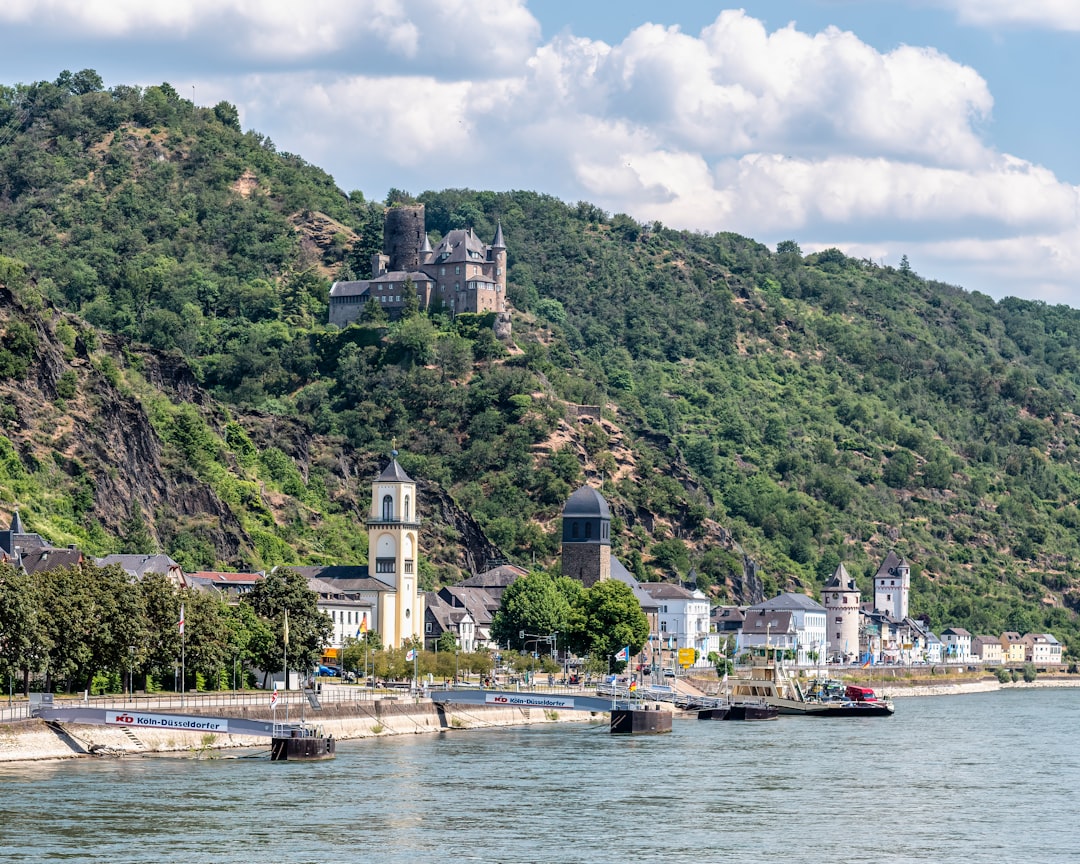
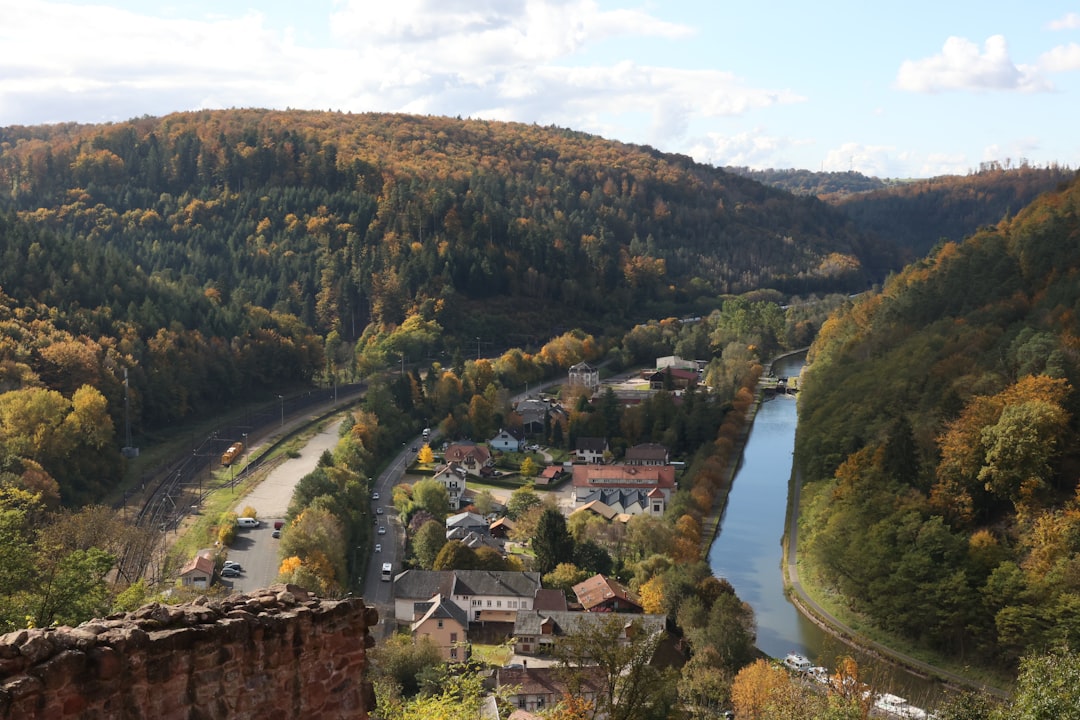
Germany, Switzerland, and the Netherlands come to life along the Rhine. You will sail past medieval castles, vineyard-terraced hillsides, and cities like Cologne, Strasbourg, and Amsterdam. The Moselle branch adds some of Germany's best Riesling country. This is a strong choice for first-time river cruisers who want a classic, highly scenic itinerary with excellent infrastructure.
Moselle River
Danube River

The Danube

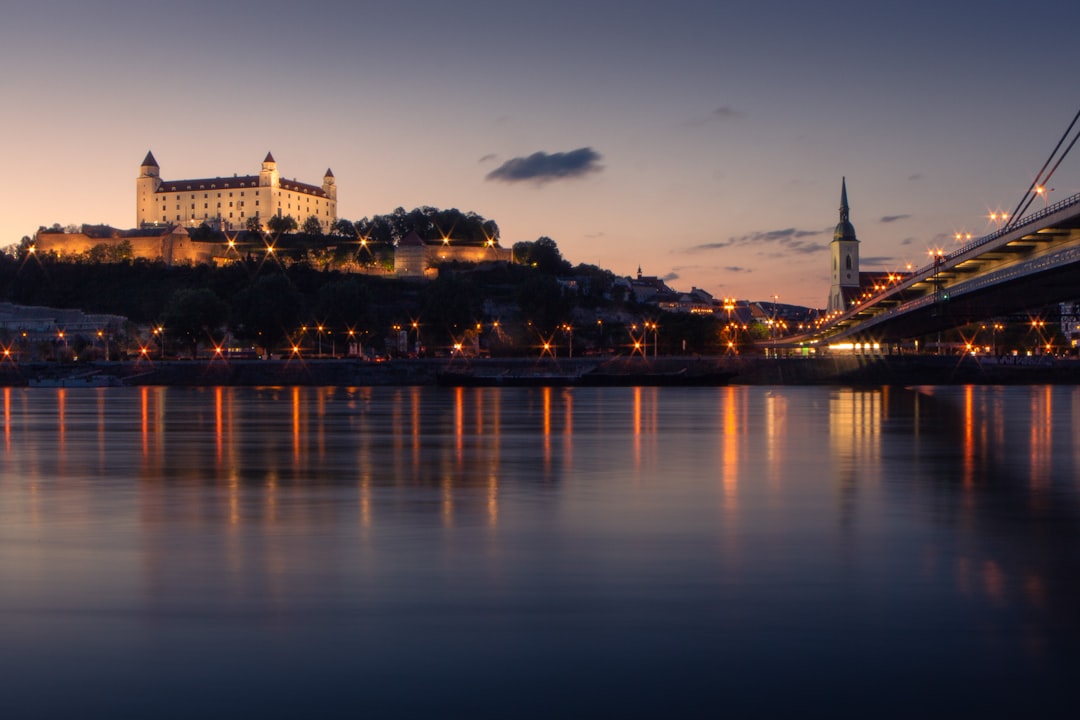
The Danube is the grandest of the rivers in terms of history and architecture. Vienna, Budapest, Bratislava, and Passau are all Danube cities. For travelers who love imperial architecture, classical music, and rich Central European cuisine, this river tends to be the one that stays with them longest. It is also one of the most popular routes for Christmas market sailings in late November and December.

The Douro (Portugal)

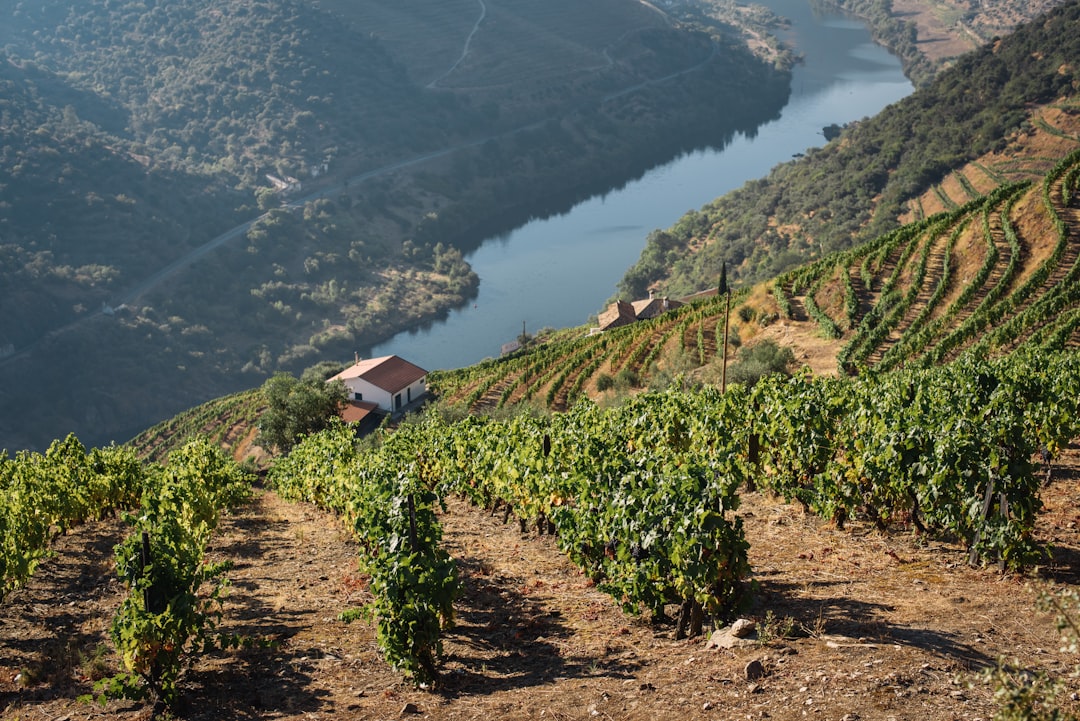
This is my personal favorite for food and wine lovers. The Douro winds through the steep terraced hills of northern Portugal's wine country, the birthplace of Port. Ships here are smaller, the landscape is dramatic, and the pace is slower. You will visit quintas, taste wines directly from the producers, and eat in a way that feels deeply connected to the place. Porto bookends many itineraries beautifully.
The Rhone and Saone (France)

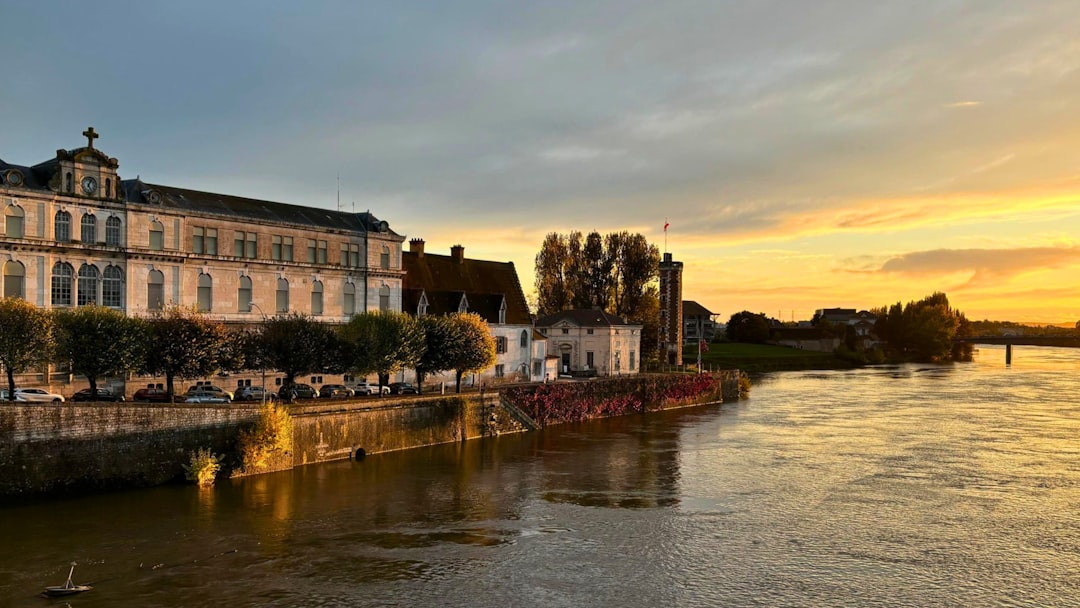
For clients who dream of Burgundy, Provence, and Lyon, the French rivers are the answer. This route offers some of the most celebrated wine regions on earth alongside excellent food, Roman ruins, and the unmistakable light of southern France. Lyon alone, as a culinary capital, can justify the trip.

There are other rivers worth knowing as well, including the Seine through Normandy and Paris, and the Po in Italy. Each one opens a different chapter of European life.

Who Tends to Love River Cruising

In my experience, river cruising works particularly well for:

Couples and empty nesters who want to travel comfortably without managing logistics themselves

Travelers who have done a major European land trip before and want to see the continent from a different angle

Anyone who finds large ocean ships overwhelming but is curious about the cruise format

Food and wine lovers who want excursions that go beyond the cathedral and the gift shop

Travelers with moderate mobility considerations who need predictable, manageable distances each day

People who value quality over quantity and would rather experience fewer places more deeply

Who Might Not Love It

River cruising is not the right fit for everyone, and I would rather tell you that upfront than have you discover it mid-trip.

If you travel primarily for beach time or warm-weather relaxation, a river cruise is not structured for that.

If you prefer complete independence and dislike any kind of group dynamic, even a loose one, the ship environment may feel constraining.

If you are looking for nightlife, casinos, or a wide range of onboard entertainment, ocean ships offer far more.

If the European weather in shoulder seasons concerns you, river cruising happens mostly April through December, and some months are rainy and cool.

A Typical Day on a River Cruise

One of the questions I hear most often is: what does a day actually look like? Here is a realistic picture.

You wake up docked at a new town. Breakfast is served onboard with a mix of continental options and warm dishes. The excursion briefing from the evening before has given you a choice: a guided walking tour of the old town, a bike ride along the river path, or a tasting at a local winery or market. You choose based on how you feel that day, not based on a pre-purchased package you committed to months ago.

Mid-morning you are off the ship. The town is yours for several hours. If your line has a good culinary focus, that market visit or vineyard stop is genuinely curated, not a brief photo opportunity. Lunch might be on your own in a local cafe or included back on the ship depending on the itinerary.

By late afternoon the ship has moved or is preparing to move. Sailings often happen in the evening, which means you can sit on the sun deck with a glass of wine and watch the landscape change as the light softens. Dinner is a proper sit-down meal. On the lines I recommend most, the menu reflects the region you are passing through.

Evening programs vary but tend toward the quiet and social: a local musician, a tasting, a lecture on the next day's port. By ten o'clock, most passengers are back in their cabins. That rhythm suits the people who come to me for this type of travel.

How River Cruising Compares to
Ocean Cruising and Land Travel

This is where most of my consulting conversations begin. The short answer is that each format offers something different, and the right choice depends entirely on what you are optimizing for.

River cruise vs. Ocean cruise

Ocean ships are larger, with more entertainment options, more varied itineraries, and often lower price-per-night rates at the entry level. River ships are more intimate, dock in town centers rather than industrial ports, and tend to attract travelers who prioritize cultural depth over onboard amenities. Motion sickness is rarely a factor on rivers.

River cruise vs. a self-planned land tour

A land tour gives you more flexibility to linger in a place you love, more dining freedom, and the ability to stay in hotels with distinct local character. A river cruise handles all logistics, means you unpack once, and covers distances efficiently. For travelers who have already done the independent land tour version of Europe and now want comfort and ease without sacrificing discovery, river cruising often becomes the new preference.

If you want to think through your own situation side by side, that is exactly the kind of conversation I am happy to have directly.

How Pricing Works and What to Expect

European river cruises sit in the premium-to-luxury pricing category. That is simply what this type of travel is. What matters is understanding what is genuinely included and what is not, because the inclusions vary more than the brochures suggest.

Most reputable river cruise lines include accommodations, most or all meals, a selection of excursions, and often house wines and beers with dinner. Some lines include all beverages throughout the day, all gratuities, and premium excursions at no additional charge. Others price these separately, which can add significantly to the total cost if you are not paying attention.

I do not publish specific pricing here because it changes, varies by cabin category, departure date, and promotional period, and because the accurate answer for your trip requires a real quote. What I can tell you is that the right question is not what does this cost but what does this include and is that aligned with how I travel.

When I put a quote together for a client, I always show what is and is not included, so the comparison across lines is honest rather than misleading. There is more detail on inclusions in the pricing question in the FAQ below.

How I Help Clients Choose

The river cruise market has grown significantly, and the number of lines, ships, rivers, and departure windows is genuinely overwhelming if you are approaching it fresh. My job is to make that decision manageable.

The conversation I have with most clients starts with a few honest questions: How important is culinary depth versus historical sightseeing? Do you want to move every day or prefer a slower pace with more time in fewer places? Are you comfortable in a group setting or do you need more autonomy built into the schedule? What does comfortable mean to you in terms of a cabin and ship size?

From there, I match the river, the line, and the departure window to where you actually are in your travel life, not to whatever is on sale this month or generating commissions. I also stay current on which ships have been recently refurbished, which lines are managing their quality well right now, and which sailings in a given year are likely to be oversold or underserved.

That kind of intelligence takes time to maintain, and it is genuinely part of the value I bring to a booking.

River cruise questions I answer most often

These are the questions I hear most often from travelers who are curious about European river cruising but not sure where to start. Some have short answers. Some do not. I have tried to give you the honest version either way.

Is a European river cruise worth it for a first-time Europe traveler?It depends on what kind of first trip you want to have. River cruising is genuinely excellent for first-time visitors who want a structured, low-logistics introduction to multiple countries without spending half their trip managing trains, hotels, and reservations. You unpack once, wake up in a new place each morning, and have guided options waiting if you want them.
 
What it does not do well is replace a deep-dive into one city or region. If you have always dreamed of spending two weeks in Italy, a river cruise is not where you start. But if you want to come home saying you have stood on a bridge in Budapest, walked a market in Strasbourg, and tasted wine in a Rhine valley village, a river cruise can deliver all of that with considerably less stress than planning it yourself.
 
Part of my job is helping you figure out which type of first trip actually fits you. That answer is different for everyone.

What is the difference between a European river cruise and an ocean cruise?The most practical difference is size and docking. Ocean ships carry hundreds or thousands of passengers and anchor at large ports, often a bus ride from anything interesting. River ships carry 100 to 200 passengers and tie up directly in the town center, sometimes steps from a cathedral or a market square.
 
Beyond logistics, the experience feels different. River cruising tends to attract travelers who want cultural depth, regional food and wine, and an intimate onboard environment. Ocean cruising offers more entertainment, more dining variety, and often a lower entry price. Neither is better in an absolute sense, they are designed for different travel priorities.
 
If you are trying to decide between them, the comparison section earlier in this guide walks through it, and it is a conversation I am happy to have directly.

How long are most European river cruises?Most itineraries run seven to ten days, though you will find options as short as three or four nights and as long as two to three weeks for grand journeys that combine rivers or cross multiple countries.
 
Seven days is a common sweet spot because it covers enough ground to feel like a real journey without requiring a very long international trip to justify it. Longer sailings, like a 14-day combined Rhine and Danube itinerary, tend to attract travelers who are already comfortable with river cruising and want to maximize a single extended trip.
 
The right length depends on how much time you can take, what you want to see, and your pace preference. I factor all of that in when I am helping a client build an itinerary.

What is typically included in the price of a European river cruise?Most reputable river cruise lines include your cabin, all meals, a daily selection of guided excursions, and at minimum house wines and beers with dinner. Many of the lines I recommend most include all beverages throughout the day, all gratuities, and Wi-Fi as well.
 
What varies significantly is the excursion program. Some lines bundle everything into a single per-person fare with no add-ons. Others have a base fare plus a menu of optional experiences at additional cost. That difference matters a lot when you are comparing prices between lines.
 
The brochure fare is rarely the full story. When I put together a quote for a client, I always show them what is and is not included so the comparison is honest rather than misleading.

When is the best time of year to take a European river cruise?Spring and early fall tend to offer the best combination of comfortable temperatures, good river water levels, and manageable crowds. April through June brings blooming landscapes and mild weather across the Rhine and Danube regions. September and October are particularly strong for wine-focused itineraries, with harvest season in full swing in the Douro, Burgundy, and Moselle.
 
Summer is popular, especially with families, but July and August can be hot, busy, and occasionally affected by low water levels on certain rivers. The Christmas market season, typically mid-November through late December, is a reliably wonderful time to sail the Danube and Rhine, though it books up far in advance.
 
The best timing for you depends on the river, the climate, your schedule, and what you most want to experience. That is a genuinely nuanced conversation, and one I am glad to walk through for your specific dates and rivers.

Which European river is the right starting point for a first river cruise?For most first-time river cruisers, I point toward the Danube or the Rhine. Both rivers pass through highly accessible, well-known cities, have excellent cruise infrastructure, and offer a wide range of departure dates and price points. The Danube, in particular, with cities like Vienna and Budapest, tends to resonate immediately with travelers who love architecture, music, and Central European food.
 
The Douro in Portugal is my personal favorite for culinary and wine travelers, but it is more remote, the ships are smaller, and the infrastructure is thinner, which some people find wonderful and others find less comfortable for a first experience.
 
Where I start the conversation is with what excites you about Europe. The river tends to follow naturally from there.

Are European river cruises good for travelers with limited mobility?River cruising is generally more accessible than other forms of travel because the ship stays with you, distances at each port tend to be manageable, and the pace is not frantic. You are not navigating airports every two days or hauling luggage across cobblestones.
 
That said, accessibility varies meaningfully between ships and lines. Some vessels have elevators, wider cabin doors, and dedicated accessible cabin configurations. Others are older or more compact. Shore excursions also vary, with some ports involving uneven terrain or extended walking.
 
When a client has specific mobility needs, I treat that as a primary filter when recommending a line and ship, not an afterthought. The wrong ship can make the right itinerary frustrating.

Are dress codes formal on river cruise ships?River cruising is considerably more casual than formal ocean crossings. Most lines operate what I would describe as smart casual. You will be comfortable in nice trousers or a dress for dinner without needing a tuxedo or formal gown in your bag. Some lines have one or two slightly dressier evenings, but these are not the white-glove affairs you might picture.
 
The overall atmosphere on river ships tends to be relaxed and social. You are more likely to find fellow passengers comparing notes on the afternoon wine tasting than dressing for a captain's gala.
 
If you have specific concerns about what to pack, ask me. Packing well for a river cruise is a skill unto itself, and I have a few honest opinions on it.

Can I find good food and wine on a river cruise, or is it basic buffet-style?The answer depends entirely on which line you choose. The better river cruise lines serve genuinely good regional food, with menus that shift to reflect the local cuisine as the ship moves from country to country. You might have Wiener Schnitzel in Austria, fresh trout with almonds in Germany, and bacalhau in Portugal. The wine programs on the top lines are equally thoughtful, with bottles chosen to complement the region.
 
That said, not every line invests equally in this. Some offer adequate but generic hotel-style dining with little regional inspiration. Part of what I pay attention to when I am recommending a line is whether the culinary experience is genuinely woven into the itinerary or treated as a logistical afterthought.
 
For clients who care about food and wine, I vet this specifically before I make a recommendation. It is one of the most common reasons people come back to book a second river cruise, and it is also one of the most common disappointments when it is done poorly.

How far in advance should I book a European river cruise?The general rule for popular itineraries and desirable cabin categories is to book 12 to 18 months out. Christmas market sailings and harvest-season departures on the Douro fill especially early. If you have a specific ship, departure date, or cabin type in mind, waiting rarely works in your favor.
 
That does not mean last-minute options never exist. Lines occasionally release space closer to sailing, sometimes at reduced fares. But if you are building a trip around a milestone birthday, anniversary, or a group of friends, you do not want to be working with whatever is left.
 
I track availability for the lines I work with most closely and can tell you when it makes sense to move quickly.

Can I take a European river cruise as a solo traveler?You can, and the intimacy of river ships actually makes solo travel quite sociable. With 100 to 200 passengers, you will find the same familiar faces at dinner, on excursions, and in the lounge. Many solo travelers tell me it is one of the easiest ways to meet people while still having full control over your own time.
 
The practical challenge is the solo supplement. Most cruise lines charge single travelers a surcharge, typically ranging from 25 to 100 percent of the double-occupancy fare, because the cabin revenue that would normally come from two passengers is coming from one. Some lines offer a small number of single-occupancy cabins or specific single-friendly sailings where the supplement is reduced.
 
If you are traveling solo, I flag those opportunities early. It can make a meaningful difference in the total cost.

Do I still need a travel advisor if I book a river cruise directly with the line?You can book directly, and the line will take your reservation. What you will not have is someone in your corner who knows which cabin categories are worth the upgrade, which departure dates tend to be oversold, and which excursions to skip in favor of time on your own.
 
You also will not have anyone to call if something goes wrong mid-trip, whether that is a missed connection, a medical situation, or a ship itinerary change. River cruise lines are professional, but their customer service is oriented toward managing their operations, not advocating for your experience.

What should I do the day before and after my river cruise?Building in at least one night before your cruise embarkation is not optional in my view; it is essential. Flights get delayed, luggage goes astray, and jet lag is real. Arriving the night before gives you a buffer, and it gives you time to actually see the embarkation city rather than arriving stressed and boarding immediately.
 
A night at the disembarkation end is equally worthwhile if the city warrants it, and it usually does. Amsterdam, Vienna, Budapest, Lisbon, and Lyon are all cities worth spending more than a few harried morning hours in.
 
Pre- and post-cruise extensions are something I plan as part of the complete trip, not as an add-on. The best river cruise itineraries I design include the full journey, not just the days on the water.

Ready to Explore What This Could Look Like for You?

If what you have read here sounds like the kind of trip you have been trying to describe, I would genuinely enjoy a conversation. I do not do the hard sell, and I do not push you toward anything before you feel ready. What I do is ask good questions and help you figure out whether this is the right trip for the right moment. Find a time for us to chat that works for you.

last updated 18-Sept-2026